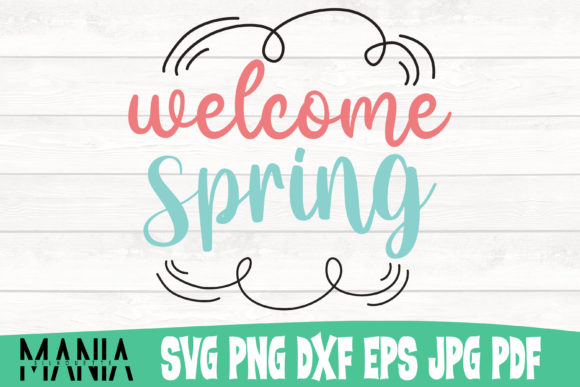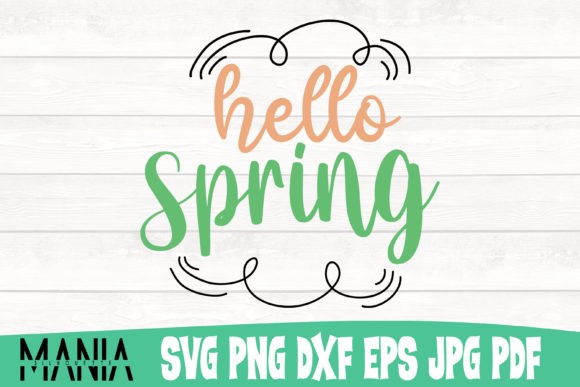
Evaluating the Hello Spring SVG Cut File Design for Seasonal Crafting Projects
When selecting digital assets for seasonal crafting, the distinction between a generic clip art collection and a professionally engineered cut file is often the difference between a frustrating production session and a seamless creative workflow. The Hello Spring SVG Cut File Design represents a specific category of digital resources tailored not just for visual appeal, but for mechanical compatibility with cutting plotters and printing systems. For crafters and small business owners evaluating their options for spring-themed merchandise, understanding the technical composition and practical utility of this design pack is essential for making an informed purchasing decision.
This particular asset package is structured to address the fragmentation issues common in digital design marketplaces. Rather than offering a single file type that may or may not work with your specific hardware, the Hello Spring SVG Cut File Design includes a comprehensive suite of formats: one SVG, one PNG with a transparent background, one EPS for vector editing, one JPEG optimized for iron-on applications, one DXF, and a consolidated PDF. This multi-format approach ensures that whether you are using entry-level hobbyist software or professional-grade illustration tools, the asset remains functional without requiring third-party conversion services that can degrade quality or corrupt layer data.
Technical Composition and Layer Integrity
The primary value proposition of any cut file lies in its node structure and layer organization. Many spring-themed designs available on open marketplaces are auto-traced from raster images, resulting in jagged edges, excessive anchor points, and disconnected layers that require significant cleanup before cutting. In contrast, the Hello Spring SVG Cut File Design is described as being meticulously crafted with well-defined, continuously tested layers. This distinction is critical for users operating Cricut Explore or Silhouette Studio machines, where poor vectorization leads to torn vinyl, misaligned registration marks, and wasted material.
For those comparing this premium pack against free alternatives, the tradeoff is typically time versus cost. Free files often serve as adequate placeholders for personal practice, but they frequently lack the structural integrity required for commercial production or high-volume crafting. The organized layering in this design pack allows for immediate color separation and weeding, reducing post-processing time. When evaluating digital assets, consider the hourly value of your labor; a slightly higher upfront cost for a flawless file often yields a lower total cost of ownership when factoring in the elimination of troubleshooting and material waste.
Format Versatility Across Software Ecosystems
Digital crafting ecosystems are rarely monolithic. A designer might sketch in Adobe Illustrator, edit colors in Photoshop, animate a preview in After Effects, and execute the final cut in Sure Cuts A Lot or Make The Cut. The inclusion of six distinct file types in the Hello Spring SVG Cut File Design acknowledges this cross-platform reality. The EPS format serves professional designers who need to manipulate bezier curves and reshape elements within Adobe Illustrator or CorelDRAW. Conversely, the DXF format provides a universal vector standard for users of older Silhouette Basic Edition software or specialized CAD-based cutting programs that do not natively support SVG imports.
The presence of a high-resolution PNG with a transparent background offers a distinct advantage for hybrid workflows. While SVGs are ideal for cutting, PNGs are superior for Print-Then-Cut projects, sublimation transfers, and digital mockups. Having both formats derived from the same master source ensures visual consistency across different application methods. The JPEG inclusion specifically targets heat press users who may not require vector data but need a reliable, pre-sized image for direct transfer. This breadth of compatibility makes the pack a versatile resource compared to single-format listings that force users to adapt their workflow to the file rather than adapting the file to their workflow.
Scalability and Resolution Independence
A defining characteristic of vector-based assets like the Hello Spring SVG Cut File Design is infinite expandability without quality loss. This mathematical precision differentiates true cut files from standard digital graphics. Whether scaling the design down for a baby onesie or expanding it for large-format signage, the geometric relationships remain perfect. The product description’s hyperbolic reference to "engraving on the moon" underscores this resolution independence, though practical applications are naturally bound by earthly hardware limitations.
When comparing this to raster-only spring graphics, the limitation of pixel density becomes apparent. Raster images have a fixed DPI; enlarging them beyond 100% introduces pixelation and blurriness that renders them unsuitable for precision cutting or professional printing. Vector files maintain crisp edges at any magnification level. However, users should note that extreme scaling in either direction may require manual adjustment of stroke weights or detail levels. A design optimized for a 10-inch shirt decal may lose delicate interior details if scaled down to a 1-inch sticker, or appear too sparse if scaled to a 3-foot banner. The flexibility exists, but responsible application requires user judgment regarding minimum feature sizes relative to the output medium.
Assessing Fit: When This Pack Is the Right Choice
The Hello Spring SVG Cut File Design is best suited for creators who prioritize production reliability and multi-surface application over experimental or avant-garde aesthetics. It fits the needs of:
- Small Business Owners: Who require consistent, clean cuts for customer orders and cannot afford downtime due to file errors.
- Multi-Machine Shops: Where designs must be portable between Cricut, Silhouette, and laser engraving platforms without re-digitizing.
- Hybrid Crafters: Who combine vinyl cutting with sublimation, DTG printing, or digital content creation and need unified assets.
- Educators and Workshop Leaders: Who need predictable, tested files that will perform reliably across students’ varying skill levels and equipment ages.
The consolidated PDF serves as an additional organizational tool for these users, providing a visual catalog of all included clip arts in one reference document. This reduces search time and streamlines project planning, particularly for those managing extensive digital libraries.
Identifying Limitations and Alternative Solutions
Despite its versatility, this specific pack may not be the optimal solution for every scenario. Understanding these boundaries prevents buyer remorse and ensures alignment with project goals.
- Highly Custom Typography Needs: If your spring project requires bespoke lettering or text integration that matches the design style perfectly, verify whether the pack includes editable text elements or only outlined shapes. Outlined vectors preserve appearance but prevent font substitution.
- Niche Artistic Styles: Premium packs often target broad commercial appeal. If your aesthetic is intentionally rough, hand-drawn, or grunge-oriented, a polished, "flawless" vector may feel too sterile. Hand-lettered raster brushes or textured overlays might better serve artistic expression over production efficiency.
- Single-Use Hobbyists: For a one-time personal project with no future application needs, a comprehensive six-format pack may represent unnecessary overhead. Simpler, single-SVG listings could suffice if platform compatibility is already confirmed.
- 3D Modeling Integration: While the description mentions compatibility with 3D editing software, 2D vectors require extrusion or mapping processes to become 3D assets. Users seeking native 3D meshes or sculpted models should look for dedicated 3D repositories rather than expecting 2D cut files to function as ready-made 3D objects.
Making an Informed Selection Decision
Ultimately, choosing the Hello Spring SVG Cut File Design involves weighing technical assurance against creative specificity. The pack excels in providing a frictionless technical foundation across diverse hardware and software environments. Its strength lies in eliminating variables—format incompatibility, layer corruption, resolution limits—that introduce risk into the production process. For professionals and serious enthusiasts, this reliability is a tangible asset that translates directly to efficiency and product quality.
However, digital assets are tools, not solutions in themselves. Evaluate your current workflow bottlenecks before purchasing. If your primary challenge is file preparation time or cross-platform inconsistency, this pack addresses those pain points directly. If your challenge is conceptual originality or stylistic differentiation, focus your evaluation on the unique artistic merit of the design itself rather than its technical specifications. By aligning the asset’s documented capabilities with your actual operational needs, you ensure that your investment supports sustainable creative output rather than accumulating unused digital inventory.