Evaluating the Don't Eat Seeds SVG Cut File Design for Crafting Projects
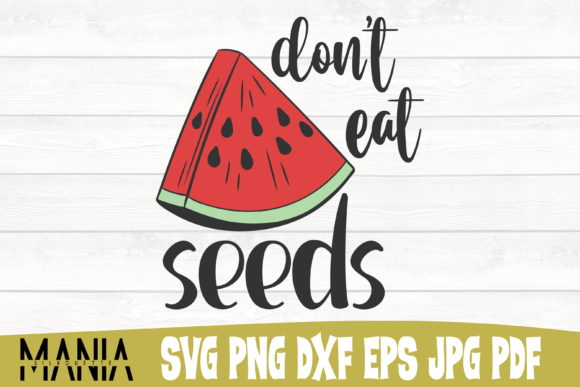
The Don t Eat Seeds Svg Cut File Design represents a specific category of digital assets tailored for crafters, DIY enthusiasts, and small business owners who utilize cutting machines and graphic design software. This particular design package is structured to provide comprehensive compatibility across various platforms, moving beyond simple image files to offer a suite of vector and raster formats. For individuals researching digital crafting assets, understanding the technical specifications and practical applications of this pack is essential for determining if it aligns with current project requirements and long-term creative goals.
Understanding the Asset Composition
When evaluating digital cut files, the value lies not just in the aesthetic but in the utility of the included file types. This pack contains six distinct formats, each serving a specific function in the production workflow. Understanding these distinctions helps users maximize the asset's potential:
- SVG Files: The primary format for Cricut Design Space and Silhouette Studio. These are scalable vector graphics that allow for resizing without pixelation and enable individual layer manipulation within cutting software.
- PNG Files: Provided with a transparent background, these are ideal for sublimation printing, web use, or overlaying onto existing designs where vector editing is not required.
- EPS Files: Essential for professional editing in Adobe Illustrator or CorelDRAW. This format preserves vector data for users who need to modify the design structure significantly before cutting or printing.
- JPEG Files: A standard raster format suitable for Iron-On machines that do not support vector inputs, or for quick mockups and reference images.
- DXF Files: Specifically designed for the free version of Silhouette Studio, which does not natively open SVG files. This ensures accessibility for users without premium software subscriptions.
- PDF File: Contains all clip art in a single document, serving as a visual catalog or a printable template for non-digital crafting methods.
This multi-format approach addresses a common pain point in digital crafting: incompatibility. By including both vector (SVG, EPS, DXF) and raster (PNG, JPEG) options, the Don t Eat Seeds Svg Cut File Design mitigates the risk of purchasing an asset that cannot be opened by the user’s specific hardware or software configuration.
Technical Quality and Scalability Considerations
A critical factor in selecting cut files is the integrity of the vector paths. Poorly digitized files often contain open nodes, overlapping lines, or unorganized layers, leading to failed cuts and wasted material. This design pack emphasizes meticulous craftsmanship with well-defined, continuously tested layers. For the end-user, this translates to reduced preparation time; the file is generally ready to cut immediately upon import, eliminating the need for extensive node editing or layer reorganization.
Furthermore, the infinite expandability of the vector components is a significant technical advantage. Unlike raster images that degrade when enlarged, these files maintain high-quality edges regardless of scale. This characteristic makes the design versatile for a wide range of applications, from small-scale items like baby shirts and decals to large-format projects such as wall signs or outdoor banners. However, users should note that while the file itself is scalable, the final output quality also depends on the resolution of the cutting mat, the blade condition, and the material being used. The digital asset provides the foundation, but physical execution requires appropriate machine settings.
Software and Hardware Compatibility
The flexibility of this file pack extends to its compatibility ecosystem. It is engineered to work with industry-standard cutting machines, including Cricut Explore, Silhouette Cameo, and older platforms like Make The Cut and Sure Cuts A Lot. Additionally, the inclusion of EPS and PNG formats bridges the gap between crafting and professional graphic design, supporting workflows in Adobe Illustrator, Photoshop, Flash, After Effects, and various 3D editing software.
This broad compatibility suggests that the Don t Eat Seeds Svg Cut File Design is a strong fit for users who operate in mixed-media environments or who may upgrade their equipment in the future. Investing in a format-agnostic asset protects against obsolescence; if a crafter switches from Silhouette to Cricut, or begins offering professional design services using Adobe Creative Cloud, the same file pack remains usable without repurchasing.
Situational Fit: When This Design Is Appropriate
Selecting this specific design pack is most advantageous in several key scenarios:
- Multi-Platform Workshops: For educators or makerspaces where different users have access to different machines, the inclusion of DXF, SVG, and EPS ensures everyone can utilize the same design source.
- Product Diversification: Sellers who offer both physical vinyl decals and digital sublimation products benefit from having both cut-ready SVGs and print-ready PNGs in one purchase.
- Customization Needs: Crafters who frequently alter text, colors, or element placement will find the organized layers in the SVG and EPS files superior to flattened images.
- Long-Term Asset Libraries: Users building a permanent library of reliable, tested vectors will appreciate the quality assurance aspect, reducing the frustration associated with free or low-cost alternatives that often require repair.
Tradeoffs and Alternative Considerations
While comprehensive, this type of premium pack may not be necessary for every user. Those who exclusively use a single machine type and never edit designs may find the extra formats superfluous. For example, a Cricut user who only creates simple iron-on transfers might only ever utilize the SVG or JPEG, rendering the EPS and DXF files unused storage.
Additionally, while the design is described as having "infinite expandability," practical limitations exist based on the complexity of the artwork. Extremely intricate details may not cut cleanly at very small sizes, regardless of vector quality. Conversely, extremely large prints may reveal color banding if the original gradient meshes were not optimized for large-format output. Users must balance the digital perfection of the file with the physical constraints of their chosen medium.
Alternatives worth considering include subscription-based design services for high-volume users who need variety over specific asset depth, or commissioning a custom designer if the "Don't Eat Seeds" theme is too generic for a niche brand identity. However, for standalone projects requiring immediate, reliable access to a specific motif across multiple production methods, this pack offers a balanced solution.
Making the Final Decision
Ultimately, the decision to acquire the Don t Eat Seeds Svg Cut File Design should be based on workflow efficiency and technical requirements rather than aesthetics alone. Evaluate your current software stack, your primary output method (cutting vs. printing), and your need for future editability. If your projects demand cross-platform versatility and you value pre-tested layer organization to minimize production friction, this comprehensive pack aligns well with professional and serious hobbyist standards. By prioritizing file integrity and format diversity, users can ensure that their digital assets remain functional and valuable across evolving crafting technologies.