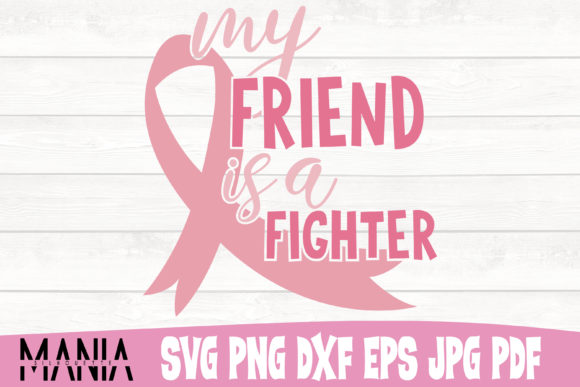
My Friend is a Fighter Cancer Cut File Guide
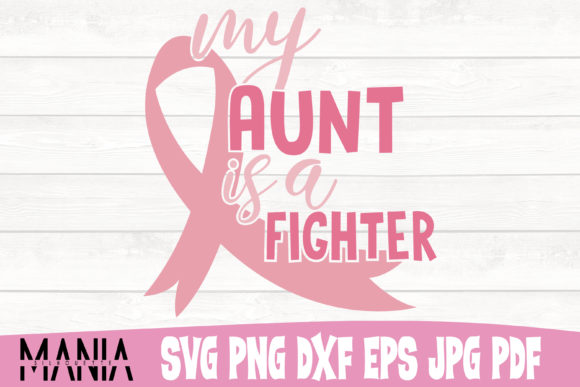
Creating meaningful apparel for cancer awareness requires more than just sentiment; it demands technical precision and emotional resonance. The My Friend is a Fighter Cancer Cut File serves as a specialized digital asset designed to bridge the gap between supportive messaging and professional-grade craftsmanship. For creators, small business owners, and individuals supporting loved ones through treatment, this resource eliminates the technical friction often associated with custom advocacy wear. Rather than spending hours tracing images or fixing broken nodes in vector software, users gain immediate access to a meticulously organized design system that respects both the gravity of the subject matter and the practical needs of modern fabrication.
This digital pack is not merely a collection of images but a comprehensive toolkit engineered for versatility. It addresses the common pain points of DIY manufacturing: file incompatibility, poor scaling, and layer misalignment. By providing a suite of formats including SVG, PNG, EPS, JPEG, DXF, and PDF, the package ensures that whether you are using a home cutting machine or professional editing software, the integrity of the "Fighter" message remains intact. This level of preparation allows creators to focus on the personalization and distribution of their support items rather than troubleshooting software errors.
Technical Precision for Emotional Impact
When creating merchandise for cancer survivors or awareness events, visual clarity is paramount. A jagged edge or a pixelated logo can unintentionally diminish the perceived value of the gesture. The My Friend is a Fighter Cancer Cut File is structured with well-defined, continuously tested layers that present no flaws during the weeding or printing process. This meticulous organization is particularly beneficial when working with intricate typography or detailed ribbon graphics often associated with cancer advocacy.
The inclusion of a high-quality SVG file specifically optimized for Cricut and Silhouette Studio means that cut lines are clean and continuous. For users applying heat transfer vinyl (HTV) to t-shirts or tote bags, this translates to less time spent picking away excess material and more time ensuring a durable bond. Similarly, the PNG file with a transparent background serves as a reliable asset for sublimation printing or digital mockups. Because the background is truly transparent rather than white-masked, designers can overlay the graphic onto colored garments or complex textures without unwanted borders, maintaining a professional aesthetic that honors the recipient.
Scalability Across Diverse Applications
One of the most significant advantages of this vector-based collection is its infinite expandability. Unlike raster images that degrade when resized, these files maintain perfect fidelity at any dimension. This flexibility supports a wide range of use cases beyond standard adult apparel. A user might need to scale the design down to fit a premature baby’s onesie for a NICU care package, or scale it up significantly for a fundraising banner or car decal. In every instance, the aspect ratio and line weight remain consistent.
This scalability also extends to non-traditional surfaces. While the prompt mentions extreme examples like lunar engraving to illustrate potential, the practical reality is that these files perform exceptionally well on laser engravers and CNC routers. The DXF and EPS files provide the necessary geometric data for these machines to etch wood, acrylic, or metal without distortion. For makers creating permanent keepsakes like engraved tumblers or wooden signs for hospital rooms, having a mathematically precise vector source is essential for achieving crisp, legible results that withstand physical wear.
Streamlining Workflow for Creators and Businesses
For entrepreneurs running Etsy shops or local print businesses, efficiency directly correlates to profitability. Sourcing individual files for different machines or converting formats manually consumes billable hours. This premium pack consolidates compatibility into a single download, acting as a universal translator between design intent and output device. The JPEG file caters specifically to iron-on machines and older transfer paper workflows, while the PDF file offers a convenient reference sheet containing all clip arts in one place. This organizational structure simplifies inventory management and reduces the cognitive load during production rushes, such as those preceding Breast Cancer Awareness Month or Relay for Life events.
Furthermore, the broad software compatibility removes barriers to collaboration. A designer might create a layout in Adobe Illustrator, pass a proof to a client via PDF, and send the final production file to a volunteer using Sure Cuts A Lot or Make The Cut. Even users utilizing 3D editing software for product visualization can import the EPS or DXF data to create accurate renderings of finished goods. This interoperability ensures that the My Friend is a Fighter Cancer Cut File integrates seamlessly into existing ecosystems without requiring users to purchase new software or learn unfamiliar platforms.
Empowering Personalization Without Limitations
Proprietary cartridges and locked ecosystems often restrict creativity, forcing users into generic templates. This file pack grants complete control, allowing for deep customization that reflects individual journeys. Because the layers are separated and editable in programs like Adobe Photoshop or Illustrator, users can modify colors to match specific cancer types (e.g., teal for ovarian cancer, blue for colon cancer) or add names and dates to commemorate milestones. This ability to tailor the base design transforms a mass-produced graphic into a deeply personal artifact of support.
Educators and community leaders also benefit from this editability. When organizing school-wide awareness campaigns, organizers can adjust the design complexity based on the age group or available equipment. A simple silhouette might be appropriate for elementary students using basic iron-ons, while high school art classes could utilize the layered SVG to teach multi-color vinyl application techniques. The file acts as both a finished product and an educational scaffold, supporting skill development alongside advocacy.
Considerations for Optimal Results
While the My Friend is a Fighter Cancer Cut File is designed for broad utility, users should assess their specific hardware capabilities to maximize outcomes. Those using entry-level cutting machines may find the DXF format useful if their software does not natively support SVG imports, though they should verify node counts to prevent machine lag. Conversely, professionals using industrial plotters should leverage the EPS format to ensure smooth curve interpolation at high speeds.
It is also important to consider the ethical dimensions of using advocacy designs. While the technical quality is assured, the application should always align with respectful representation. Users modifying the files should ensure that color changes accurately reflect recognized awareness ribbons to avoid confusion. Additionally, when selling items created with these files, creators should verify licensing terms regarding commercial use to ensure compliance. The technical freedom provided by the pack carries a responsibility to use the assets in ways that genuinely support the cancer community.
Ultimately, this digital asset represents a convergence of empathy and engineering. By solving technical problems upfront, it allows the human element of cancer support to take center stage. Whether used by a mother making a shirt for her child’s chemo appointment, a marketer designing a corporate charity campaign, or a hobbyist creating gifts for a support group, the My Friend is a Fighter Cancer Cut File provides a reliable foundation. It ensures that the message of resilience is delivered with the clarity, durability, and professionalism that fighters and their supporters deserve, turning digital data into tangible expressions of hope.