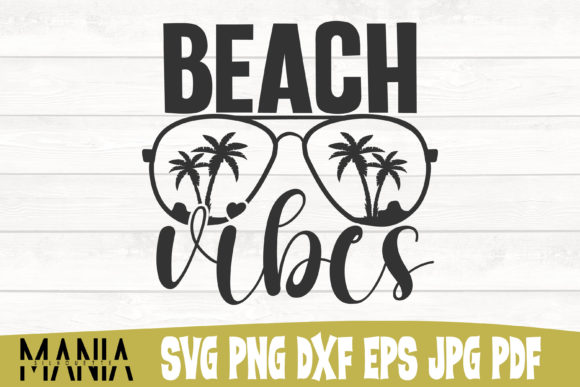
Maximizing Creative Potential with the Beach Vibes 2 Svg Cut File Design
Achieving professional results in digital crafting and custom apparel production relies heavily on the technical integrity of source assets. The Beach Vibes 2 Svg Cut File Design represents a comprehensive solution for creators who require precision, versatility, and ease of use across multiple platforms. Unlike generic clip art that often suffers from poor node placement or rasterization issues, this specific design package is engineered to bridge the gap between artistic vision and mechanical execution. Whether you are operating a commercial print shop, managing an educational workshop, or pursuing personal DIY projects, understanding the structural advantages of this file set is essential for optimizing workflow efficiency and output quality.
Technical Architecture and Layer Organization
The primary differentiator of high-quality cut files is the meticulous organization of vector layers. In the context of the Beach Vibes 2 Svg Cut File Design, every element has been continuously tested and defined to ensure seamless interaction with cutting software. Poorly constructed vectors often contain overlapping paths, open nodes, or excessive anchor points that cause cutting machines to stutter, pause, or produce jagged edges. This design eliminates those flaws through rigorous pre-production validation.
Well-defined layers serve a functional purpose beyond mere aesthetics. For users of Cricut Design Space or Silhouette Studio, organized layers translate directly to color separation and material management. When importing this SVG, the software recognizes distinct elements as separate cut lines or print-then-cut zones without requiring manual ungrouping or re-welding. This structural integrity saves significant preparation time, allowing professionals to move from concept to production rapidly. Furthermore, the clean geometry ensures that weeding—the process of removing excess vinyl—is straightforward, reducing material waste and labor hours on intricate designs.
Cross-Platform Compatibility and Software Integration
Versatility in digital asset management requires compatibility across a diverse ecosystem of hardware and software. This premium pack addresses the fragmentation often found in the creative industry by providing formats tailored to specific applications. The inclusion of DXF files specifically targets users of Silhouette Studio Basic Edition, which does not natively support SVG imports without an upgrade. By providing a dedicated DXF, the design remains accessible to hobbyists and entry-level users without compromising the vector nature of the artwork.
For advanced designers and commercial printers, the EPS file serves as the industry standard for scalability and editing within Adobe Illustrator, CorelDRAW, and other professional vector suites. This format preserves bezier curves and color profiles, allowing for deep customization such as reshaping elements, adjusting stroke weights, or integrating the Beach Vibes 2 motif into larger composite layouts. Additionally, compatibility extends to specialized cutting software like Make The Cut and Sure Cuts A Lot, ensuring that legacy machine owners can utilize modern designs without forced hardware upgrades.
The integration with Adobe Photoshop, Flash, and After Effects highlights the multimedia potential of these assets. While primarily designed for physical cutting, the vector data allows motion graphics designers and digital artists to incorporate beach-themed elements into animations, web graphics, and video overlays. This cross-discipline utility transforms a simple cut file into a multi-purpose digital asset suitable for marketing campaigns, social media content creation, and branding projects.
Infinite Scalability Without Quality Loss
Raster images degrade when resized, resulting in pixelation that renders them useless for large-format applications. The vector-based nature of the Beach Vibes 2 Svg Cut File Design offers infinite expandability. Mathematically defined paths mean the design retains absolute crispness whether printed on a baby onesie or scaled up for vehicle wraps, wall decals, or architectural signage. This characteristic is vital for businesses that offer products in varying sizes using a single master design file.
This scalability also benefits engraving and etching applications. Laser engravers and rotary tools require precise line work to achieve depth and detail. Because the vectors remain sharp at any magnification, users can confidently apply this design to tumblers, glassware, wood plaques, and metal surfaces. The consistency of the line weight ensures that the engraved result matches the digital proof exactly, regardless of the physical dimensions of the substrate.
Format-Specific Applications and Workflow Optimization
Each file type included in this pack serves a distinct role in the production pipeline. Understanding when and how to deploy each format maximizes both quality and efficiency.
- SVG Files: The primary format for Cricut Explore, Maker, and Venture series. These files retain layer information and cut settings, making them ideal for multi-color vinyl projects, cardstock layering, and stencil creation.
- PNG Files: Provided with a transparent background, these high-resolution rasters are optimized for sublimation printing, direct-to-garment (DTG) printing, and digital mockups. They allow for quick visualization without needing vector software.
- JPEG Files: Specifically formatted for Iron-On Machines and heat press operations where vector data is unnecessary. These are flattened, high-DPI images ready for transfer paper or printable HTV.
- PDF Files: Serving as a master catalog, the PDF contains all clip arts in one place. This is invaluable for inventory management, client presentations, and offline reference, ensuring you have a visual index of available assets without opening multiple files.
By segregating files based on end-use, the pack prevents the common issue of using the wrong format for a specific machine. Using a JPEG for a vinyl cutter, for example, forces the software to auto-trace the image, often resulting in inaccurate cut lines. Conversely, using an SVG for a standard inkjet printer on transfer paper adds unnecessary processing overhead. This intentional curation streamlines the decision-making process for operators.
Practical Use Cases Across Industries
The thematic versatility of the Beach Vibes 2 Svg Cut File Design extends its relevance across multiple market segments. In the retail sector, small business owners utilize these designs for seasonal merchandise, creating cohesive collections of t-shirts, tote bags, and home decor that resonate with summer trends. The ability to customize colors and scale allows for product differentiation without additional design costs.
Educators and camp counselors find value in these assets for event coordination and student activities. The clean lines and recognizable imagery make them perfect for crafting workshops, where participants of varying skill levels can achieve successful outcomes. The reliability of the cut files reduces frustration during supervised sessions, allowing instructors to focus on creativity rather than troubleshooting technical glitches.
For researchers and archivists documenting cultural trends in graphic design, well-structured digital assets serve as case studies in contemporary vector art. The organization and layering conventions reflect current best practices in digital fabrication, providing insight into how modern tools influence aesthetic choices. Similarly, professional designers use these packs as foundational elements, combining them with typography and other graphics to create complex compositions for client work, thereby reducing billable hours spent on basic illustration.
Considerations for Professional Implementation
While the Beach Vibes 2 Svg Cut File Design offers extensive flexibility, successful implementation requires attention to material and machine variables. Vector perfection does not negate the physical limitations of substrates. When scaling the design to very small sizes for jewelry or detailed stencils, users must consider the minimum cut width of their blade and the tear resistance of the chosen vinyl or paper. Testing on scrap material is always recommended when pushing the boundaries of scale.
Color management is another critical consideration. While the PNG and JPEG files provide a visual reference, screen colors rarely match physical outputs perfectly. Professionals should utilize Pantone bridges or CMYK conversion charts when matching the digital design to specific vinyl rolls or sublimation inks. The editable EPS and SVG formats facilitate this by allowing users to assign specific spot colors or CMYK values directly within the file before exporting to print or cut.
Licensing and usage rights should also be reviewed to ensure compliance with commercial intentions. Understanding whether the pack permits mass production, digital redistribution, or modification is essential for business owners protecting their intellectual property and respecting creator terms. Responsible usage ensures the sustainability of the digital design marketplace and supports the continued development of high-quality assets.
Ultimately, the value of this design pack lies in its intersection of artistic appeal and technical rigor. It removes the barriers between imagination and realization, providing a reliable foundation for creators to build upon. By leveraging the specific strengths of each included file type and respecting the nuances of digital fabrication, users can unlock the full potential of their equipment and produce work that stands out in a crowded marketplace. The Beach Vibes 2 Svg Cut File Design is not merely a collection of images; it is a toolkit for precision manufacturing and creative expression.