Happy Easter 2 Svg Cut File Design: A Practical Guide to Flawless Crafting
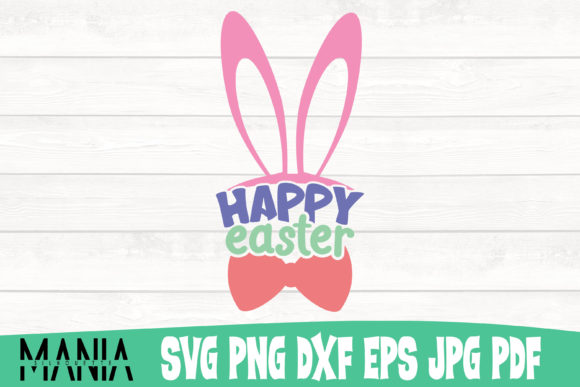
Spring crafting season arrives quickly, and having reliable digital assets is the difference between a frustrating afternoon and a successful product line. The Happy Easter 2 Svg Cut File Design serves as a versatile foundation for seasonal projects, ranging from personalized apparel to intricate home décor. However, owning the file is only the first step. Many crafters and small business owners overlook the technical nuances of vector graphics, leading to wasted materials, poor print quality, or software incompatibility. Understanding how to properly evaluate, organize, and apply this specific design pack ensures your creative vision translates perfectly to the physical medium.
Understanding the Asset Beyond the Preview
A common misunderstanding among beginners and intermediate users is assuming all digital cut files function identically. The Happy Easter 2 Svg Cut File Design is not merely a single image; it is a comprehensive ecosystem of formats. Relying solely on the SVG for every task is a frequent error. While SVGs are ideal for cutting machines like Cricut and Silhouette Studio, they are not always the best choice for sublimation or direct-to-film printing. This pack includes six distinct file types because different production methods require different data structures.
For example, using an SVG for a high-resolution photo transfer can sometimes result in unexpected color shifts or missing gradients if the software interprets the vector paths incorrectly. In these instances, the included PNG with a transparent background is often the superior choice for raster-based applications. Conversely, professional designers needing to modify the actual geometry of the Easter motif should utilize the EPS file in Adobe Illustrator rather than attempting to manipulate nodes within basic cutting software. Recognizing which file format aligns with your specific hardware and end goal prevents hours of troubleshooting.
The Critical Importance of Layer Organization
One of the most significant factors affecting usability is layer structure. Poorly designed cut files often arrive with flattened layers or disconnected nodes, forcing users to manually redraw elements or use complex welding tools. This specific design generation is meticulously crafted with well-defined, continuously tested layers. Ignoring this organizational advantage is a mistake that costs time.
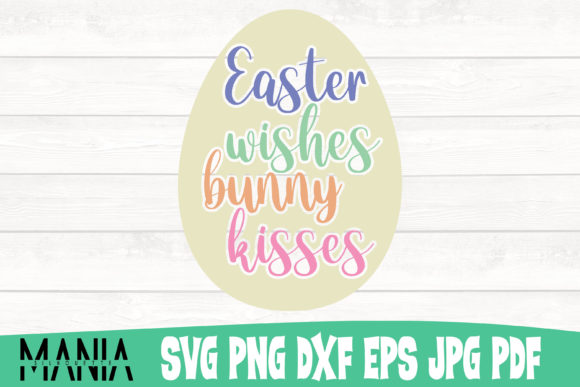
Before sending any design to your machine, open the SVG in your editing software and inspect the layer panel. You should see logical groupings rather than a chaotic list of "Path 1," "Path 2," and so on. If you plan to create multi-color vinyl decals, proper layer separation allows you to assign colors and cut sequences efficiently without guessing which element belongs to which part of the bunny or egg illustration. Always verify that text elements have been converted to outlines or curves. While this pack is designed to be flawless, developing the habit of checking node integrity protects you when working with less reputable sources in the future and ensures consistent results across different software versions.
Evaluating Scalability and Output Quality
Vector graphics are celebrated for their infinite expandability, but this feature is frequently misunderstood. Users often assume that because a file is vector-based, it will automatically look perfect at any size without further adjustment. While the Happy Easter 2 Svg Cut File Design maintains mathematical precision whether printed on a baby onesie or scaled for large-format signage, the application method must change with scale.
A design optimized for a 4-inch mug decal may have line weights that are too delicate for a 24-inch window cling. When scaling up significantly, check the stroke width and negative space details. Thin lines that cut beautifully on cardstock might fail to adhere on textured fabric or become invisible from a distance on a banner. Conversely, scaling down requires ensuring that internal details do not merge into solid blobs during the cutting or printing process. Test cuts at your intended final size are non-negotiable. Do not assume the default settings for a 6-inch design will translate to a 2-inch sticker. Adjusting line weights and simplifying details for extreme sizes is part of professional craftsmanship.
Software Compatibility and Workflow Integration
Compatibility issues often stem from outdated software or incorrect import settings rather than the file itself. This premium pack supports a vast array of platforms, including Make The Cut, Sure Cuts A Lot, Adobe Photoshop, and even 3D editing software. However, users sometimes force compatibility where it does not naturally exist. Attempting to edit vector nodes in Photoshop, for instance, is inefficient compared to using Illustrator or the dedicated DXF file.
The DXF file included in this pack is specifically valuable for users of older Silhouette Basic Edition software or those experiencing parsing errors with SVGs. If your machine fails to recognize the SVG, do not immediately assume the file is corrupt. Switch to the DXF format, which uses a simpler geometric language that legacy systems handle more reliably. Similarly, for iron-on transfers using heat press machines that do not interface directly with cutting software, the JPEG file provides a ready-to-print raster option. Matching the file type to your specific software’s strengths streamlines your workflow and reduces technical friction.
Avoiding Licensing and Commercial Pitfalls
Beyond technical execution, creators must navigate usage rights carefully. A beautiful design becomes a liability if used outside its intended license scope. Before listing products featuring the Happy Easter 2 Svg Cut File Design for sale, review the specific terms provided by the designer. Some licenses permit physical product sales but prohibit digital redistribution or mass manufacturing. Overlooking these distinctions can lead to platform takedowns or legal issues.
Additionally, consider the uniqueness of your final product. Because this is a popular seasonal design, many others may be using the same base asset. To stand out and add value, combine this clip art with original typography, custom backgrounds, or unique material combinations. Using the PDF file containing all clip arts in one place can help you visualize potential pairings and layout variations quickly. Customization transforms a generic asset into a signature piece, protecting your brand identity while leveraging high-quality foundational art.
Pre-Purchase and Pre-Production Checklist
To maximize satisfaction and minimize waste, adopt a systematic evaluation approach before committing to a project:
- Verify Software Version: Ensure your Cricut Design Space, Silhouette Studio, or Adobe suite is updated to support modern SVG standards.
- Test Material Settings: Even with perfect files, incorrect blade depth or pressure ruins projects. Run a test cut on scrap material identical to your final substrate.
- Check Color Profiles: For printing (PNG/JPEG), ensure your workspace is set to CMYK for physical output or RGB for digital display to avoid color mismatches.
- Inspect Node Count: Extremely high node counts can slow down older machines. Use the simplify tool in your software if performance lags, but do so cautiously to preserve detail.
- Confirm License Terms: Document your commercial rights before investing in inventory or marketing materials.
By treating the Happy Easter 2 Svg Cut File Design as a professional tool rather than a simple download, you elevate the quality of your output. Attention to format selection, layer management, scalability adjustments, and workflow integration separates hobbyist results from professional-grade creations. Take the time to understand the asset deeply, and your seasonal projects will reflect both creativity and technical excellence.